Choose a connection, not just a symbol
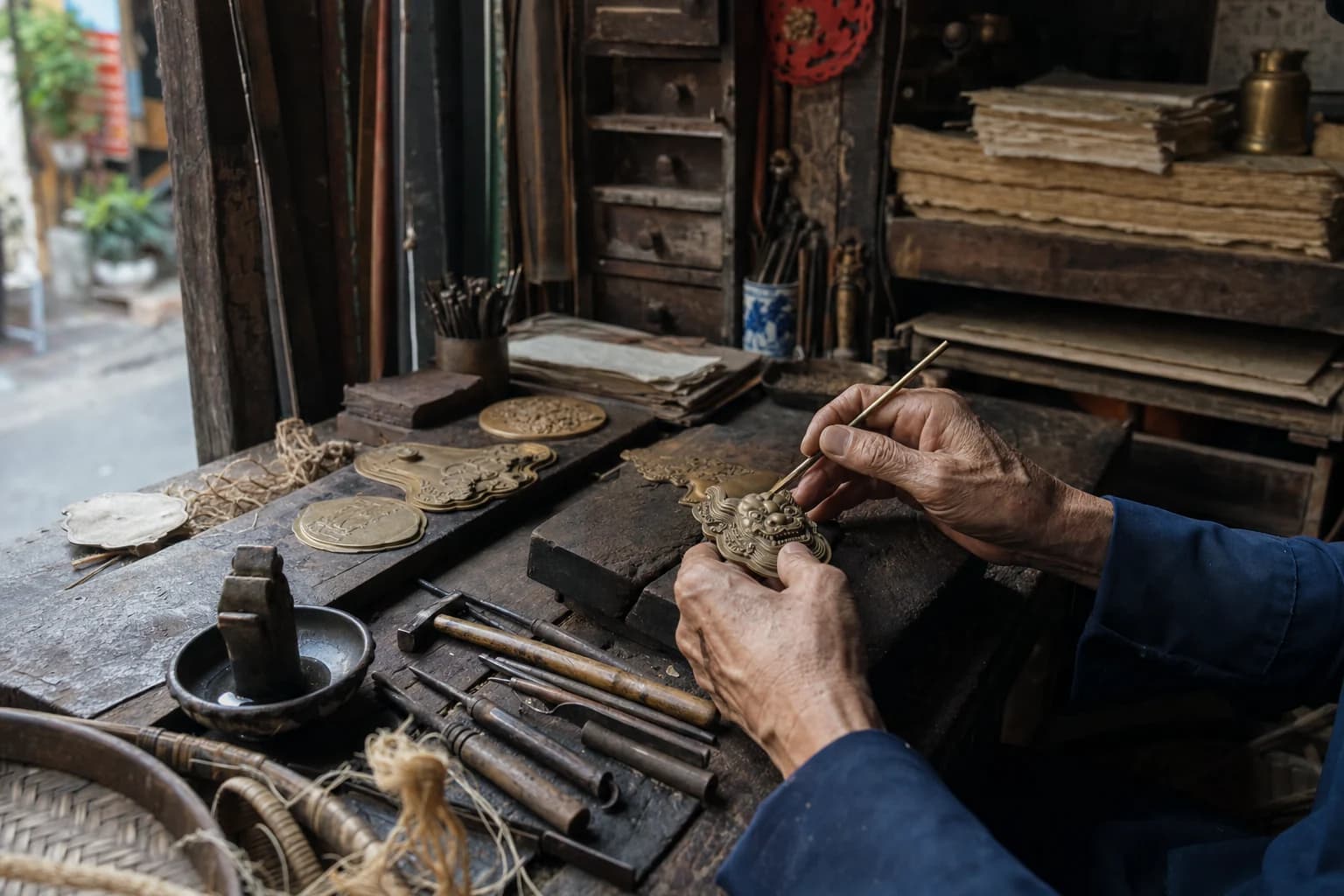
The best Hanoi souvenir does not have to carry a famous landmark. It should help you remember something specific about the city: a material you touched, a workshop you visited, a street you walked, or an object that will remain useful after the trip.
Before buying, decide who the gift is for, how much luggage space you have, and whether you value everyday use, decorative craft, food, or a record of the journey. That short list makes it easier to ignore generic items and compare quality calmly.
15 Hanoi souvenirs worth considering
Use this as a comparison list rather than a promise of origin. Materials, production methods, and workshop locations vary, so ask the seller for specific facts before treating an item as locally made or handmade.
- A silk scarf or compact textile; ask where it was woven and how to care for it.
- Bát Tràng ceramics; inspect the rim, base, glaze, and any fine cracks before packing.
- A small lacquer object; ask what the base material is and how the surface was finished.
- Dó-paper cards or prints; ask whether the paper is genuine dó and who made the artwork.
- A Hanoi illustration, photograph, or print from an identified artist or studio.
- An embroidered pouch or small textile accessory with neat backing and secure seams.
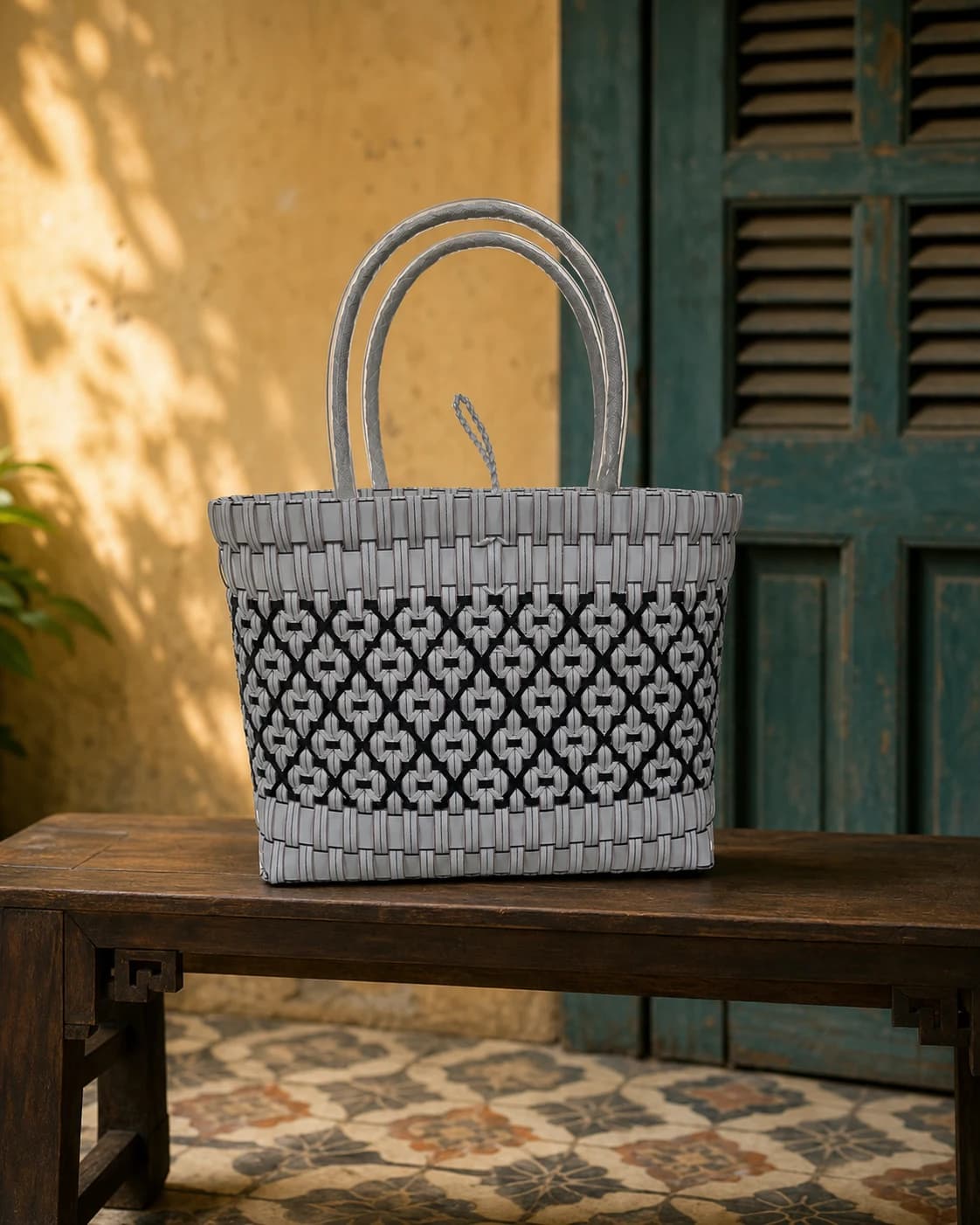
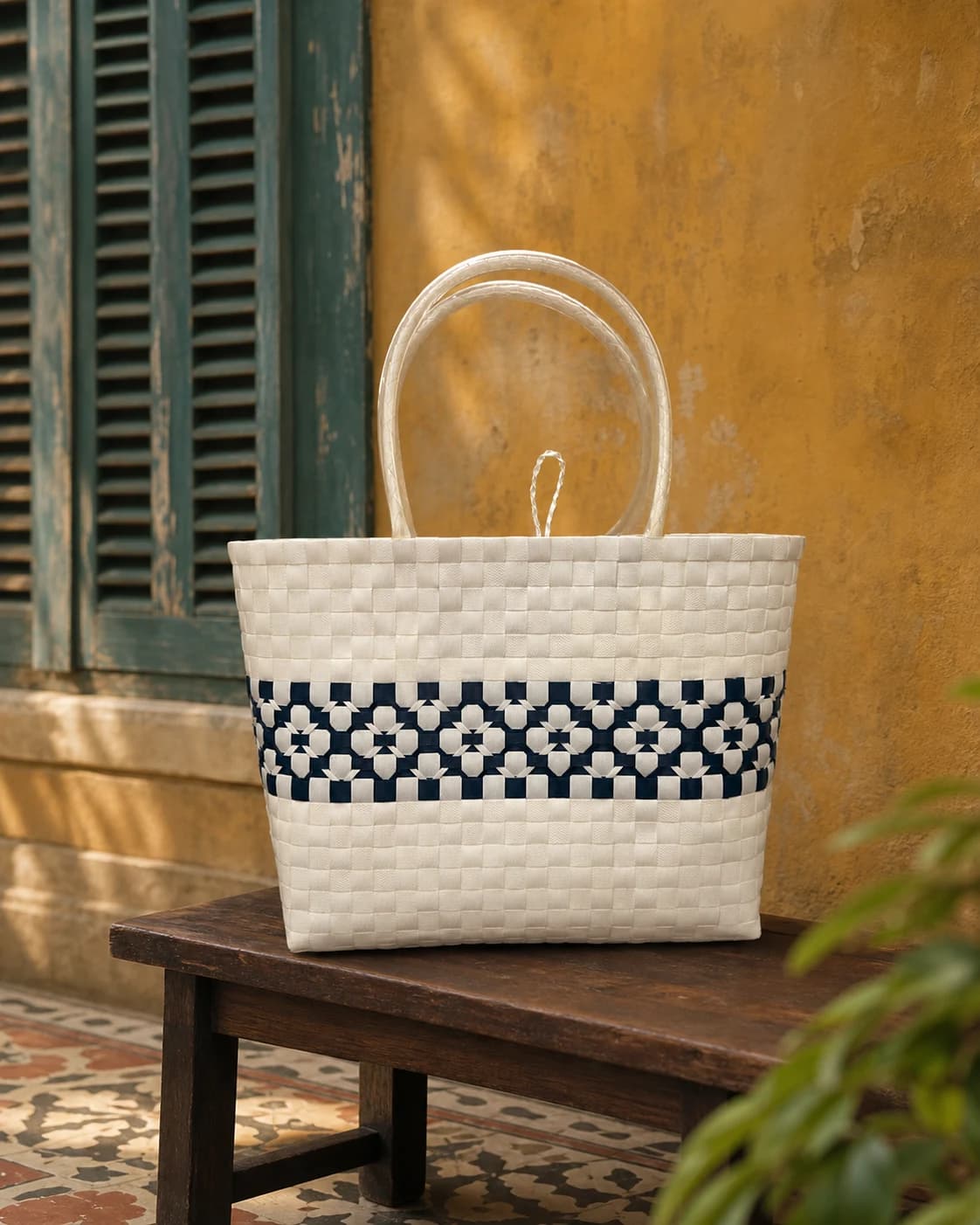
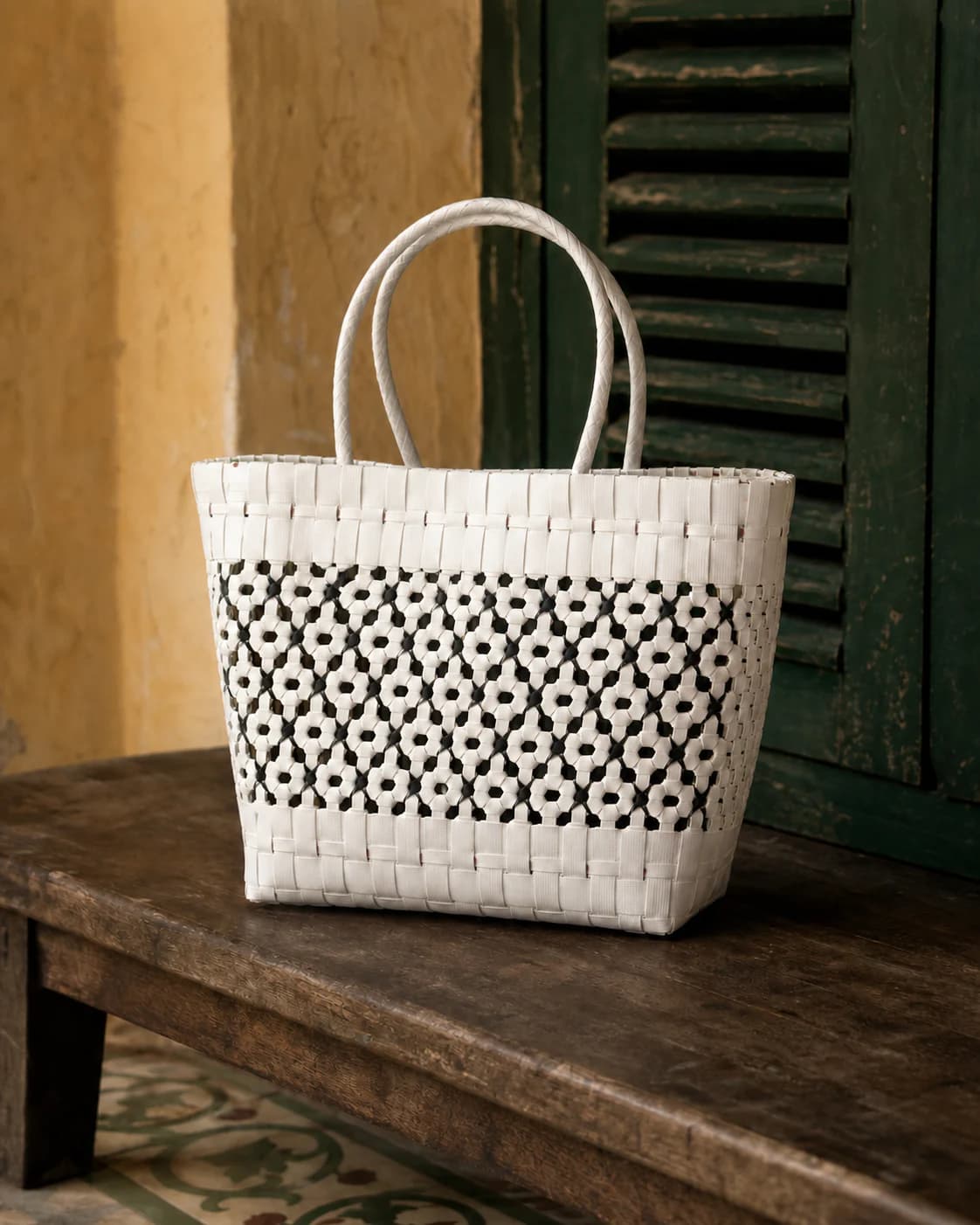
- A woven everyday bag; check the handles, joins, lining, closure, and empty weight.
- A compact bamboo or rattan object that will not be crushed in your luggage.
- A small wooden craft item with a smooth finish and no loose parts.
- Vietnamese tea in sealed packaging with a clear producer and best-before date.
- Vietnamese coffee with a compact phin filter for an easy-to-use gift set.
- A sealed spice or packaged specialty food, after checking airline and destination rules.
- Design-led jewelry from a named Hanoi studio, with material and care information.
- A notebook, photo book, or locally published title that records the city in more depth.
- A compact home textile, coaster, or table piece that fits the recipient's daily life.
Where to shop without rushing
The Old Quarter is the easiest place to compare many categories in one walk. Hàng Gai and nearby streets are known for textiles, boutiques, and souvenirs, while the wider quarter mixes specialist shops, markets, and contemporary design stores. Present-day merchandise changes, so use historic street names as orientation rather than a guarantee that every shop follows the old trade.
For a stronger connection to process, consider a separate visit to Bát Tràng for ceramics or Vạn Phúc for silk. At any venue, compare more than one seller, ask before photographing people at work, and leave enough time to inspect an item instead of buying under pressure.
Five questions that reveal more than a label
Ask who made the item, what its main material is, where the production took place, which parts were done by hand, and how it should be cared for. A useful answer is specific and allows uncertainty; a vague claim such as ‘100% local’, ‘eco’, or ‘artisan’ without supporting detail should not be treated as proof.
Look at the parts that bear stress: handles, seams, joins, closures, rims, bases, and edges. Small differences can be normal in hand-finished work, but loose joins, sharp edges, unstable bases, weak hardware, or an unfinished lining are practical quality concerns. Handmade variation and poor construction are not the same thing.
Pack for the journey home
Wrap ceramics individually and keep them away from hard corners. Place paper goods between flat layers. Fill a structured or woven bag lightly with soft clothing so it keeps its shape, but do not force a fold that leaves a permanent crease.
Food, wood, plant-based materials, liquids, and sharp objects can face airline or destination-country restrictions. Rules vary, so check your airline and customs authority before buying. A seller's reassurance is helpful, but it does not replace the rules that apply to your trip.
Make a shortlist before you buy
For a fragile display piece, compare ceramics or lacquer with a packing plan. For an easy gift, consider sealed tea, coffee, paper goods, or a small textile. For something useful during and after the trip, compare the current Hanoi Heritage Bags collection by size, handles, closure, color, and the way you expect to carry it.
The product links below come from the live catalog. Availability can change, so use them as a current comparison rather than a promise that a specific design will remain in stock.
Sources & updates
Practical details may change. Check these official sources before planning your visit.
Vietnam Tourism: Shopping in Hanoi — markets and malls ↗Vietnam Tourism: 12 traditional Vietnamese souvenirs ↗Vietnam Tourism: A full day in Bát Tràng pottery village ↗Vietnam Tourism: Traditional silk villages of Vietnam ↗