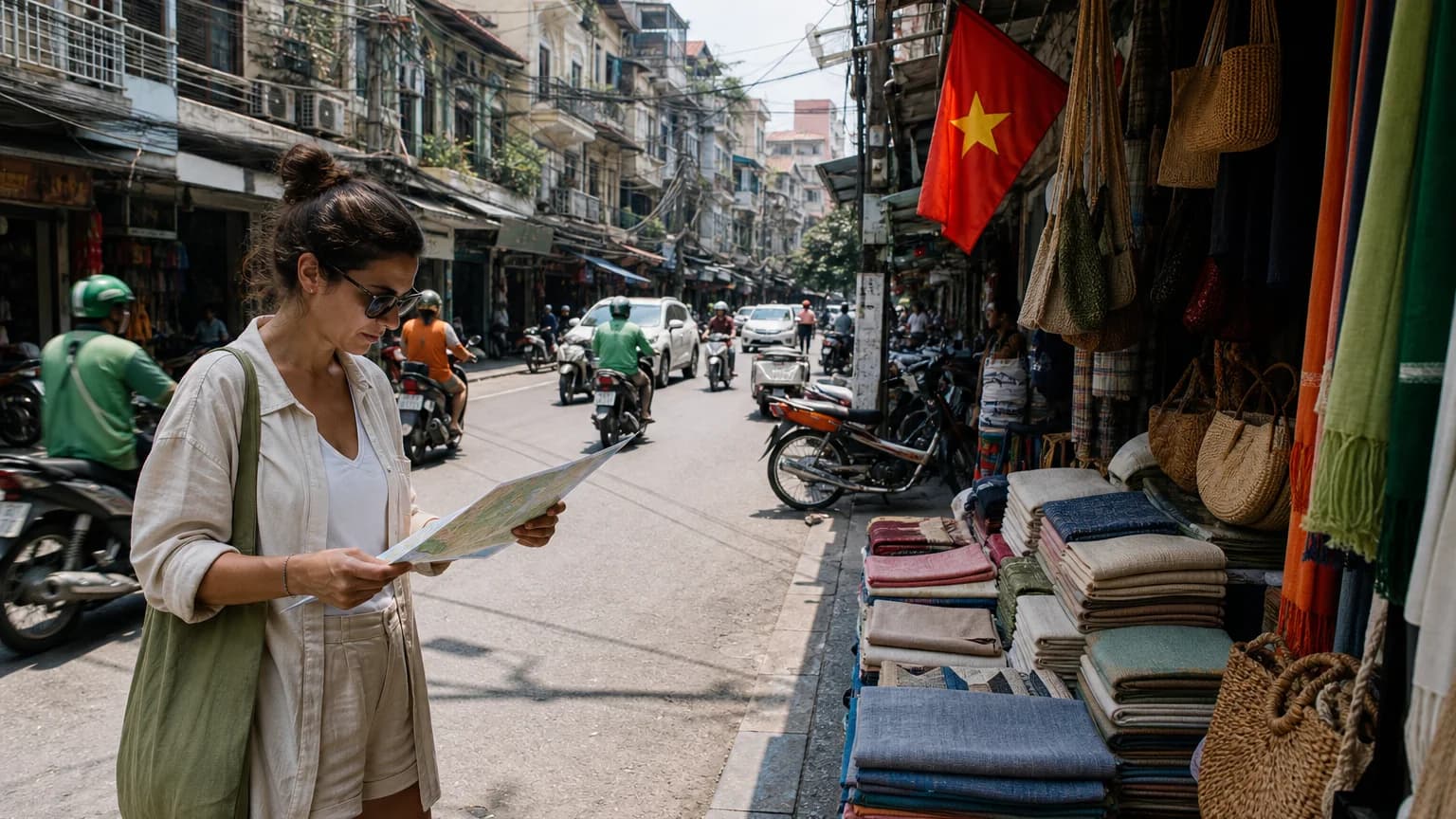
Use street names as a map, not a promise
Hanoi's Old Quarter grew around guilds and trading streets north of Hoàn Kiếm Lake. Many names beginning with Hàng still recall the goods once made or sold there. Hàng Bạc is associated with silver and jewellery, Hàng Gai with textiles and silk, Hàng Mã with religious goods and seasonal decorations, and Lãn Ông with traditional herbs. This history makes the street names useful orientation points for a shopping walk.
Present-day merchandise does not always follow the old trade. Hanoi's culture authority notes that many shops now sell wider or completely different categories, and Vietnam Tourism likewise says only some streets retain their former specialisation. Treat the name as a clue, then inspect the actual shop, product and seller information in front of you. That distinction keeps the route practical without turning historical memory into an unsupported guarantee of origin.
Match each street to a shopping task
A useful route is built around decisions rather than a checklist of famous names. Decide whether you need a textile, jewellery, a compact craft, an everyday bag or simply a place to compare many categories. Then choose two or three areas instead of trying to browse every street. Stock changes from one shop to the next, so the examples below describe a starting point, not a promise that every address carries the same goods.
The Old Quarter is dense enough to compare different categories on foot, but the pavements and traffic can demand attention. Keep your shortlist visible, pause inside a safe shopfront rather than in the roadway, and leave room in the route for one careful second look before buying.
- Hàng Gai: begin here for fabrics, scarves, tailoring and textile-led boutiques; ask for the fibre, care method and expected finishing time rather than relying on the word silk alone.
- Hàng Bạc: compare jewellery and metalwork by material, weight, fastening and workmanship; request a clear receipt for any important purchase.
- Hàng Mã: browse colour-rich festival and decorative goods, remembering that stock changes with the calendar and many pieces need careful packing.
- Hàng Dầu, Lý Quốc Sư, Tạ Hiện and Hàng Da: Vietnam Tourism lists these among streets where visitors encounter clothing, bags, shoes and sportswear; use them for comparison, not proof of local production.
- Đồng Xuân area: use the market and surrounding alleys when you want breadth and a sense of wholesale trade, while checking retail quantity, finish and return expectations before paying.
A calm two-hour comparison route
If you have about two hours, start near the northern side of Hoàn Kiếm Lake and walk first to Hàng Gai. Use the textile shops to establish a quality and price reference even if you do not buy there. Continue toward Hàng Bạc to compare a different material category and to notice how an old trade remains visible beside newer commerce. This opening leg is about learning what questions to ask, not collecting purchases as quickly as possible.
From Hàng Bạc, continue toward Hàng Mã and then the Đồng Xuân area. The shift from specialist streets to a broad market environment helps you compare curated presentation with high-volume variety. If one category matters more than the rest, spend the extra time there and skip a stop. A useful shopping route is not completed by touching every waypoint; it is completed when you can explain why one item fits your use, luggage and budget better than another.
Finish with a short pause away from the busiest flow. Review photos only where photography was permitted, re-read material or care notes, and check the item in natural light when possible. If the seller's explanation is unclear, it is reasonable to leave without buying and continue the comparison another day.
Run a short shop check
Keep the in-shop check brief and observable: inspect the finish, ask what the main material is, and request a clear maker or workshop name when provenance matters. Specific answers are more useful than broad words such as local or artisan. The street name and shop display are starting clues, not proof of where an object was made.
- At Hàng Gai, confirm fibre, care instructions and any tailoring deadline.
- At Hàng Bạc, confirm the stated material, joins, clasp and receipt details.
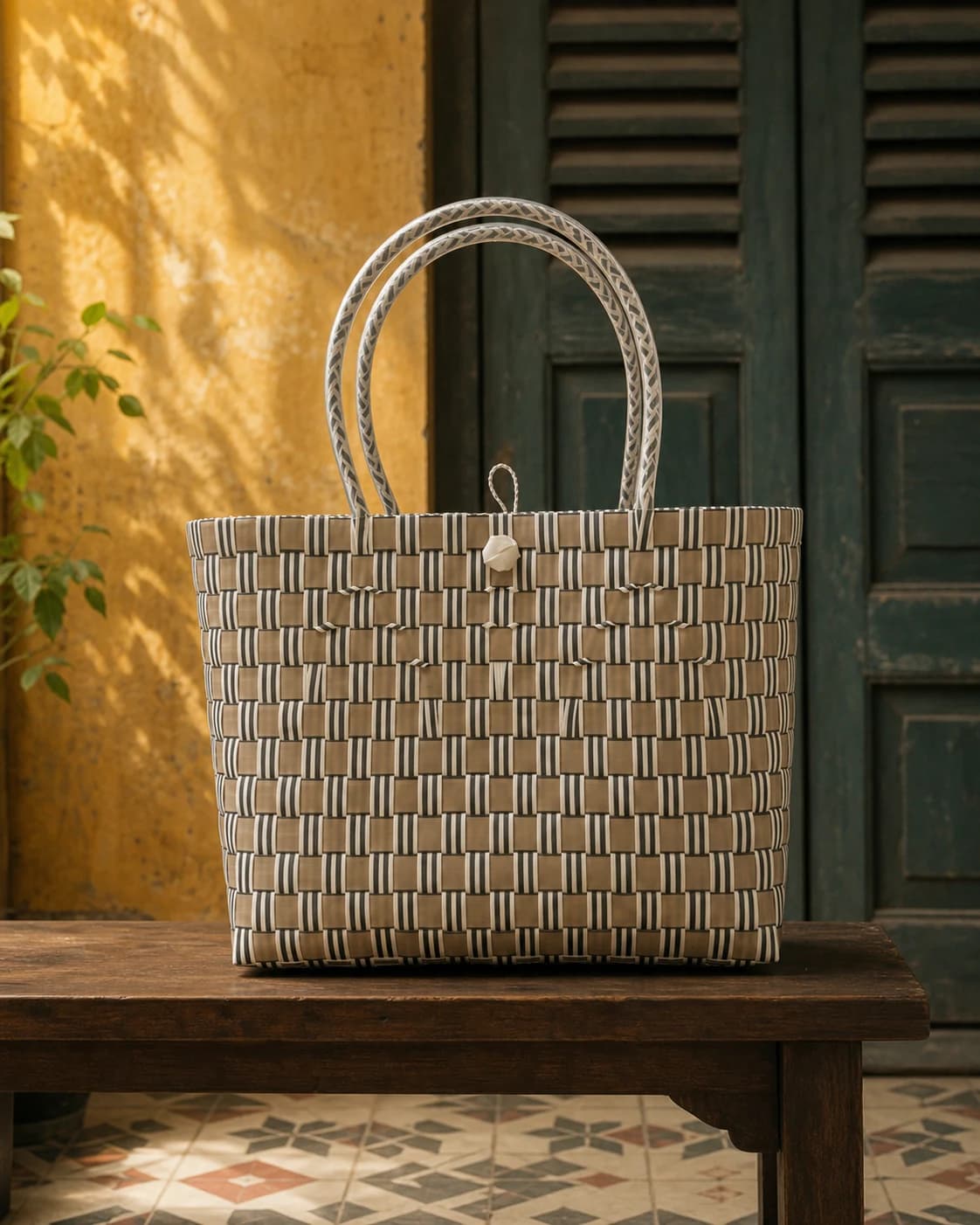
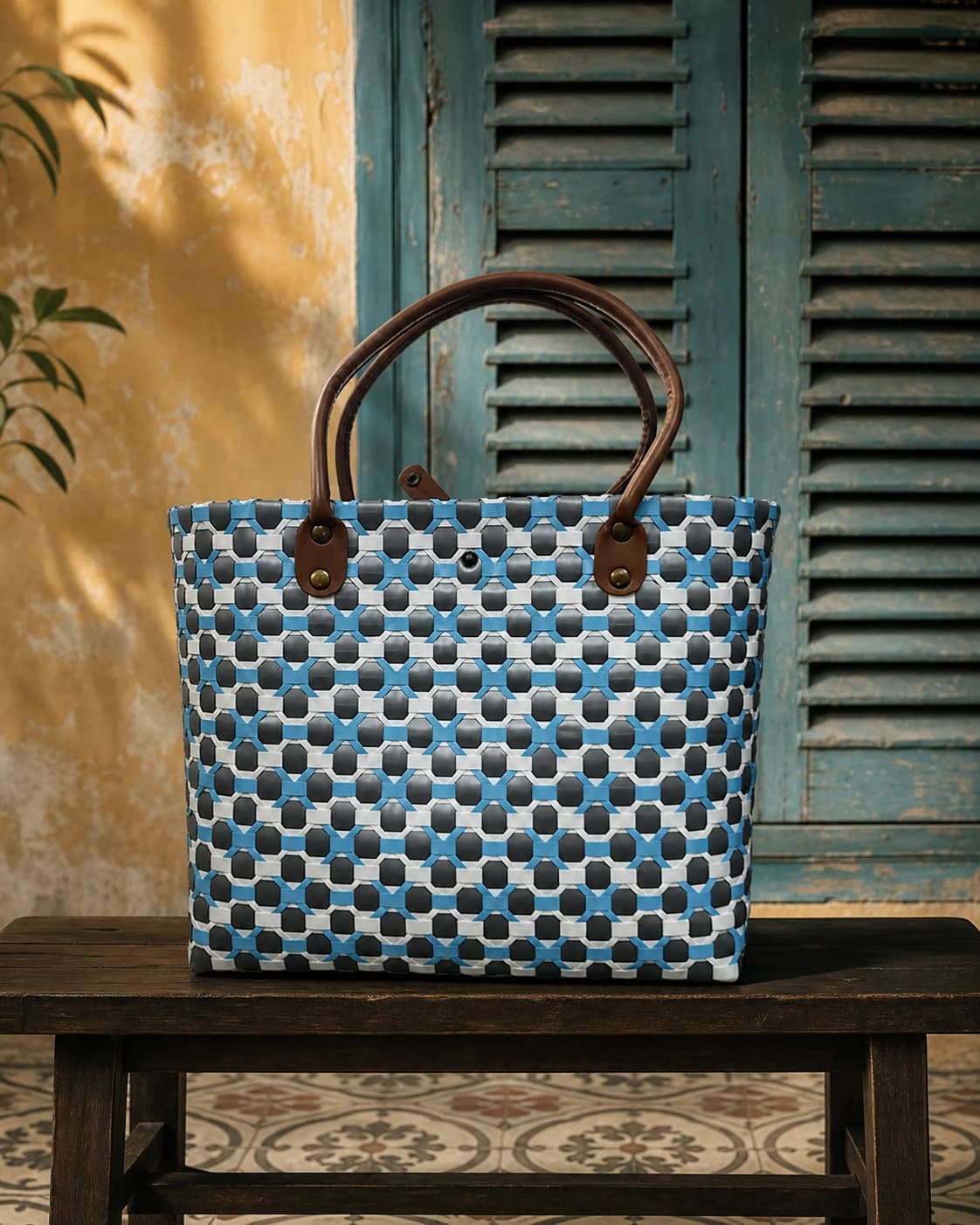
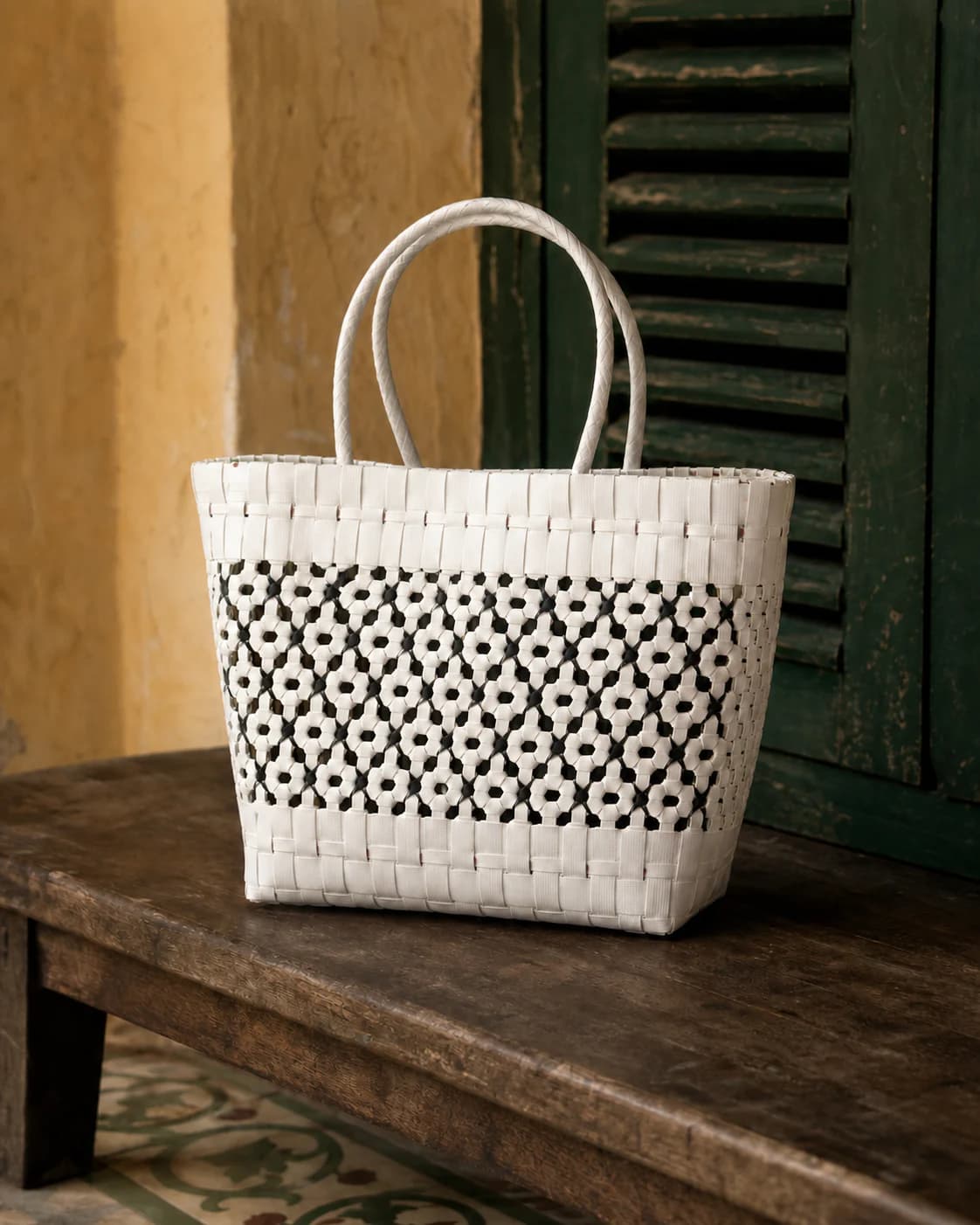
- For woven items, check handles, stress points, base and closure before leaving the shop.
Handle price, payment and receipts clearly
Prices, payment methods and return practices vary by seller, so do not assume one rule applies across the quarter. Ask for the final price before customisation or packing begins, confirm the currency and included items, and check whether card, transfer or cash is accepted. For made-to-order work, write down the material, measurements, completion time, fitting plan and collection arrangement before leaving a deposit.
Negotiation may be possible in some settings and inappropriate in others. A calm comparison is more useful than treating every interaction as a contest. Decide your budget, compare like with like, and ask whether the quoted price reflects a different material, finish or service. For jewellery, tailoring or any purchase you would find difficult to replace, request a receipt that identifies the seller and the item as clearly as possible.
Carry the purchase through the route
Before paying, decide whether you can carry the item safely through mixed Old Quarter traffic. Keep valuables closed and close to your body; if a purchase is bulky or fragile, request suitable wrapping or collect it after the rest of the walk. Check airline and destination rules separately for restricted materials rather than relying only on a seller's reassurance.
End with one considered purchase
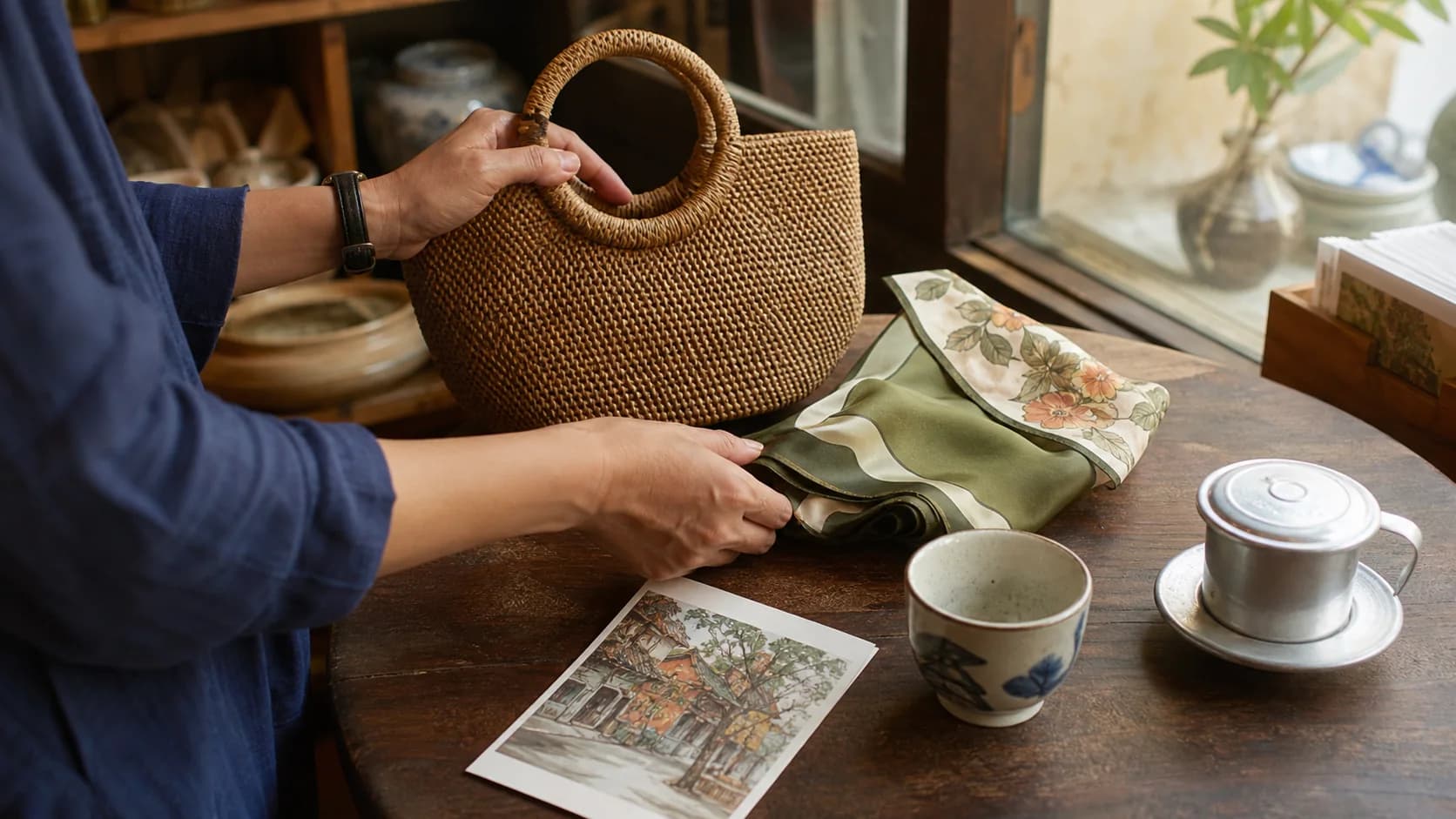
A useful route may end with one purchase or none. If a bag is on your shortlist, compare the live Hanoi Heritage Bags cards below by visible design, colour, listed price and availability. Where a product page asks you to confirm measurements, request current dimensions before deciding whether it fits your trip; the cards are a shopping bridge, not proof about unrelated goods sold elsewhere.
Sources & updates
Practical details may change. Check these official sources before planning your visit.
Vietnam Tourism: Shopping in Hanoi — markets and malls ↗Vietnam Tourism: Explore the Old Quarter your way ↗Hanoi Culture: Historic streets with traditional professions ↗